
April 25, 2026
Andrey Bogolyubsky: The Black Viking Saint and the Birth of Russia.
History is often presented as a monochrome tapestry, a singular narrative woven to suit the lens of the present.
We are told that the medieval North was a uniform landscape of fair-skinned warriors and saints.
Yet, when we peer into the primary sources, the unbleached icons, the contemporary chronicles, and the genetic echoes of the steppe, a much deeper and more complex reality emerges.
At the center of this forgotten reality stands Andrey Bogolyubsky.
A man of the North, a Viking by tradition, and a Saint by canonization, his life represents the moment the pivot of Slavic civilization shifted forever.
But to understand the Russian state, one must first understand the man they called “The Black Viking.
The Blood of the Neolithic.
Born around 1111, Andrey was the son of Yuri Dolgoruky, the ruler credited with the founding of Moscow.
In the 12th century, the “Rus” was a shifting collection of principalities, with the golden city of Kiev acting as its sun.
To rule Kiev was to rule the world.
However, Andrey’s identity was not merely defined by his Kievan connections.
He was an heir to the native “swarthy” tribes of the Neolithic, the original inhabitants of the Danube, Volga and the Black Sea coast.
While later narratives attempted to distance European nobility from these dark-skinned lineages, the art of Bogolyubsky’s era remained honest.
These were the original kings of the soil, warriors whose ancestry stretched back thousands of years before the borders of modern Europe were ever drawn.
The icons from his era show the truth: swarthy princes, dark-skinned saints, and a holy dynasty rooted in the Neolithic past.
These weren’t outsiders; these were Europe’s original sovereigns.
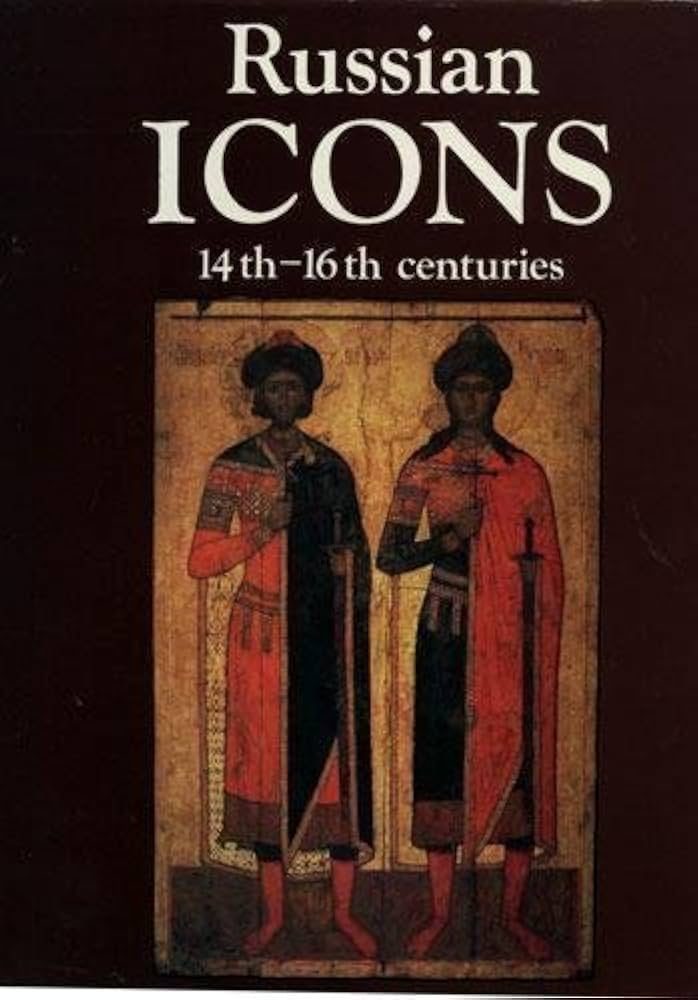
The Great Pivot North.
In 1157, Andrey performed a political maneuver that shocked his contemporaries.
He was the heir to the Kievan throne, the most prestigious seat in the land.
Yet, he refused it.
He turned his back on the fading glory of the South and looked toward the frontier.
He moved his capital to Vladimir.
This was more than a relocation; it was a spiritual and strategic declaration of independence.
By bringing sacred relics and building monumental cathedrals in the north, he began the long process of shifting the center of gravity away from the old structures and toward the land that would eventually give rise to Moscow.
The Price of Vision.
Andrey’s reign was defined by his attempt to centralize power and elevate the
spiritual life of his people above the petty greed of the landed aristocracy.
This put him on a collision course with the Boyars, the old elite who feared a ruler they could not control.
In 1174, this tension reached its breaking point.
Andrey was assassinated in his own palace at Bogolyubovo.
The conspirators believed that by striking him down, they could return to the status quo.
They were wrong. His death served only to sanctify his mission.
The Orthodox Church canonized him as a saint, ensuring that his vision for the North would outlive his physical body.
A Legacy Unbleached.
Today, the icons of Saint Andrey Bogolyubsky stand as a challenge to the “cleansed” versions of history taught in modern classrooms.
They show us a Grand Prince whose legacy still shapes the geopolitics of the East, a man whose identity was as complex as the empire he founded.
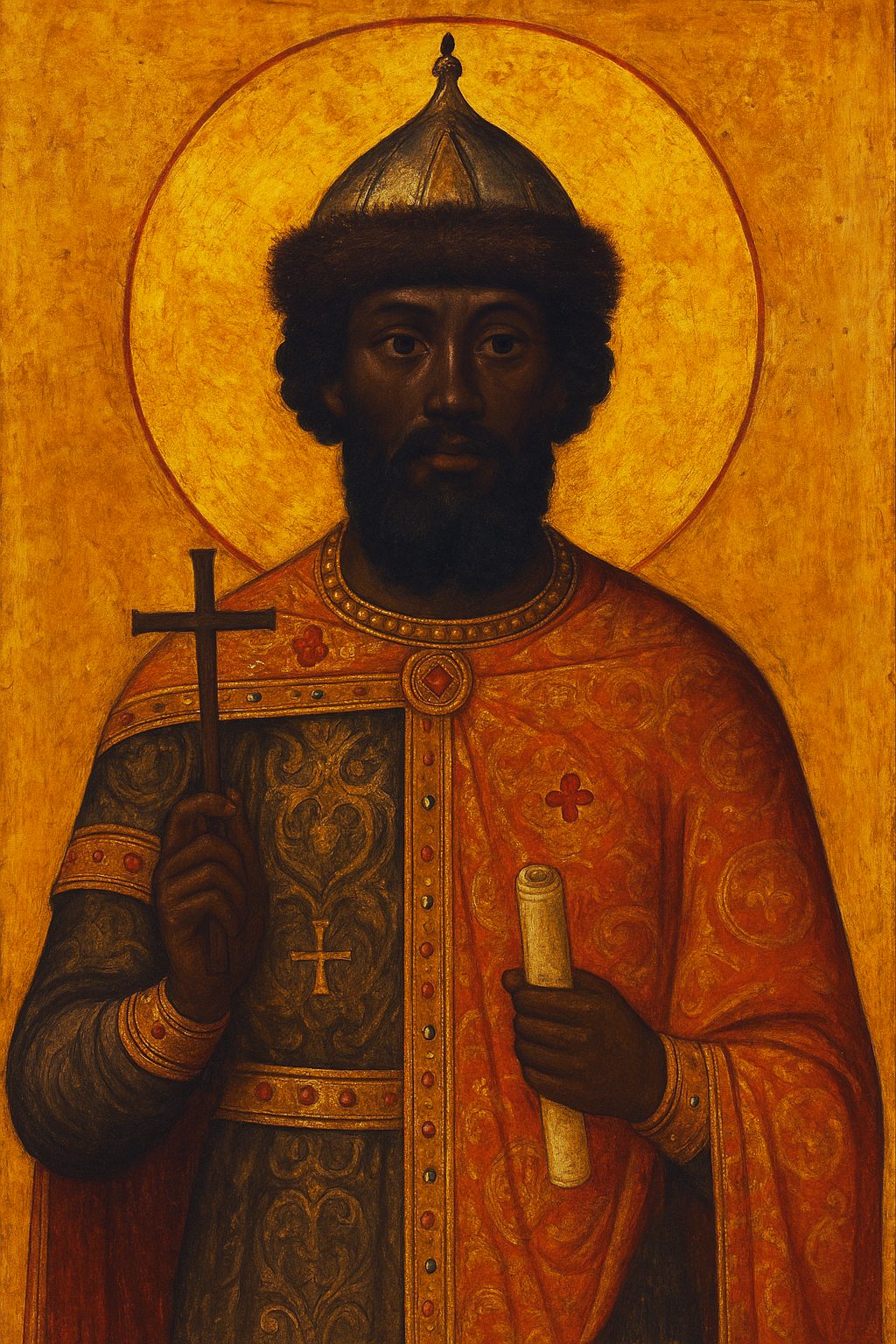
This is The Swarthy Channel!
If this work matters to you, join the $1 Swarthy Circle. One dollar a month keeps this channel independent. Join on Patreon
Get the next issue